


Који напон је потребан за хидромасажну каду?
2026-05-30 15:35Приликом инсталирања и коришћења хидромасажне каде за пливање, прва ствар на коју се многи корисници фокусирају није температура воде, млазнице или естетика, већ једно веома основно, али критично важно питање:
Који напон је потребан за хидромасажну каду?
Ако се ово питање не разуме тачно, лако може довести до квара опреме или чак представљати опасност по електричну безбедност. Пошто је хидромасажна када уређај за спа центар велике снаге који укључује истовремени рад више система, њени захтеви за напајање су далеко строжи од захтева за напајање обичних кућних апарата.
Стога, пре него што се разговара о било којој од карактеристика каде за пливање, питање напона мора бити приоритетно, разумето и правилно решено.
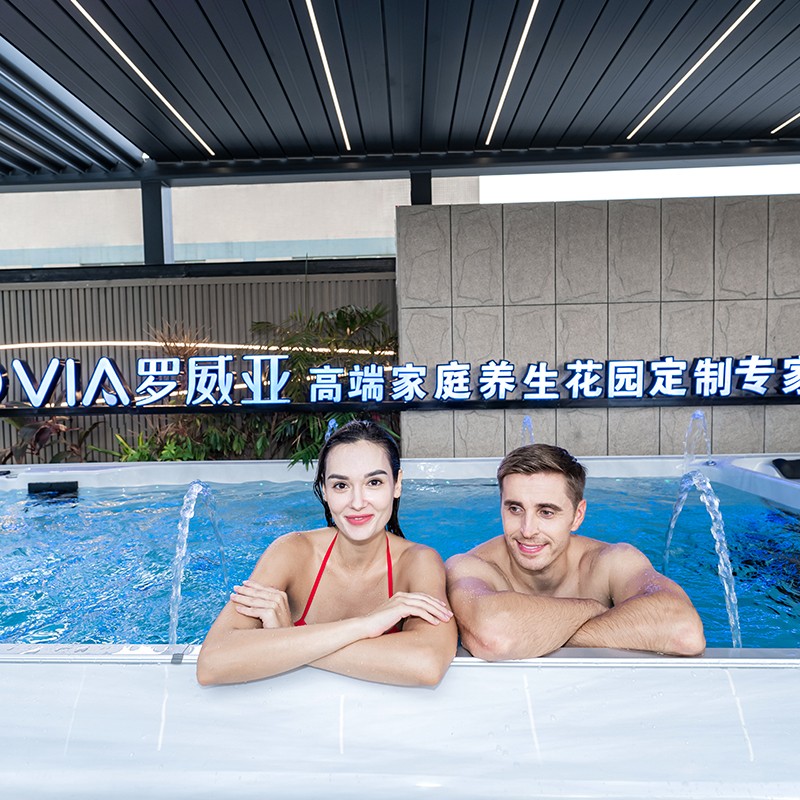
Зашто су захтеви за напон толико важни за хидромасажну каду за пливање?
Када за пливање није један електрични уређај; већ је сложен систем састављен од више модула велике снаге који раде заједно, као што су:
• Главне циркулационе пумпе
• Пумпе за спа млазнице
• Системи грејања
• Системи управљања
• Системи за филтрацију
• Системи за вентилацију
Ове компоненте често морају да раде истовремено, што значи да када за пливање поставља строге захтеве у погледу стабилности напајања, нивоа напона и носивости струје. Ако је напон некомпатибилан, то неће само пореметити нормално функционисање каде за пливање, већ може проузроковати и дугорочно оштећење унутрашњих електричних компоненти опреме.
Који су уобичајени типови напона за каде за купање?
Са становишта електротехнике, каде за купање првенствено укључују две категорије напајања:
• Нисконапонско напајање за контролне системе
• Високонапонско напајање за енергетске системе
Нисконапонски системи: За контролу и безбедност
Унутар каде за пливање и хидромасажне каде:
• Контролне табле
• Сензори
• Контролне табле
• Системи индикатора мале снаге
обично раде у окружењу ниског напона — на пример, 12V или 24V. Сврха овог нисконапонског дизајна је да побољша безбедност рада у влажном окружењу.
Високонапонски системи: За возачку опрему
Насупрот томе, компоненте које троше значајне количине електричне енергије - као што су:
• Водене пумпе
• Грејачи
• Вентилатори
захтевају напајање високог напона; ово представља суштину питања: дддхххКоји напон је потребан за каду за пливање?ддххх
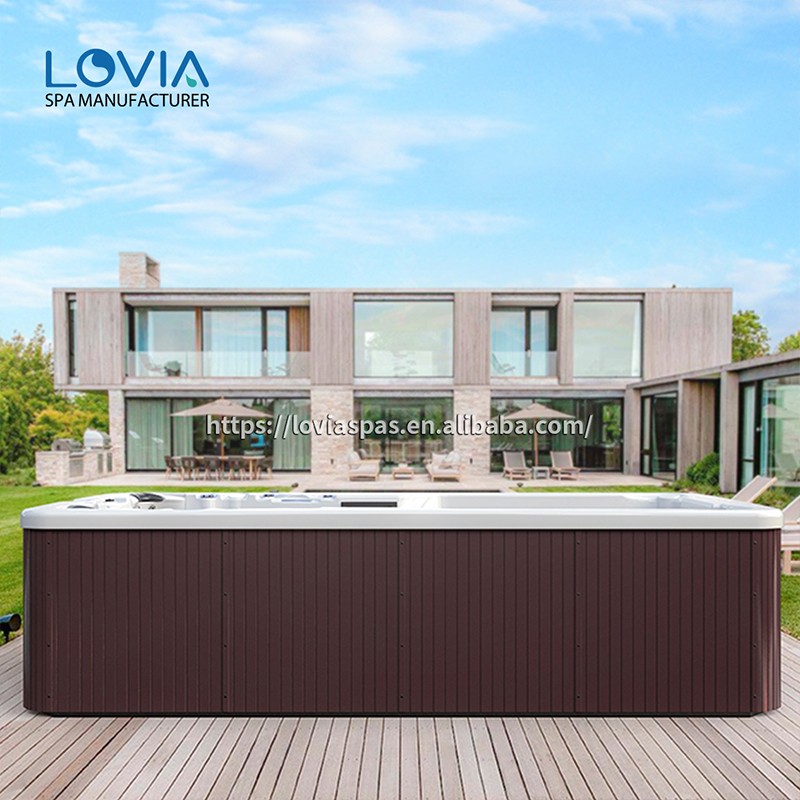
Који радни напон обично користе каде за пливање?
Глобално гледано, високи радни напони за базене за пливање обично се деле у два главна распона:
• 220V–240V
• 380V–415V (трофазно напајање)
Изабрани специфични напон зависи одспа центри за пливањеконфигурација снаге, број пумпи, капацитет система грејања и његове дизајнерске спецификације.
Зашто многи базени за пливање користе 220V или 240V?
То је логичан избор за опрему велике снаге.
Излазна снага купаћег спа центра је обично далеко већа од снаге стандардних кућних апарата; на пример:
• Једна водена пумпа често троши између 1,5 kW и 3 kW.
• Грејачи обично прелазе 3 kW.
• Системи са више пумпи могу радити истовремено.
На овом нивоу снаге, коришћење нижег напона напајања резултирало би изузетно високим протоком струје, што би довело до прекомерног стварања топлоте у ожичењу, повећаног губитка енергије и потенцијалних безбедносних опасности. Стога, коришћење напона од 220 V или 240 V омогућава значајно смањење струје — уз исту излазну снагу — чиме се побољшава стабилност система.
Какву улогу игра трофазна струја у базенима за купање?
Неки већи спа центри користе трофазне системе напајања од 380 V или 400 V. Предности овог начина напајања укључују:
• Расподела струјног оптерећења на три одвојене фазе.
• Уравнотеженије електрично оптерећење.
• Погодност за конфигурације са више пумпи и системе грејања великог капацитета.
За базене за купање опремљене са више снажних пумпи и грејача велике снаге, трофазно напајање осигурава да опрема ради глатко и поуздано, чак и под великим оптерећењима.
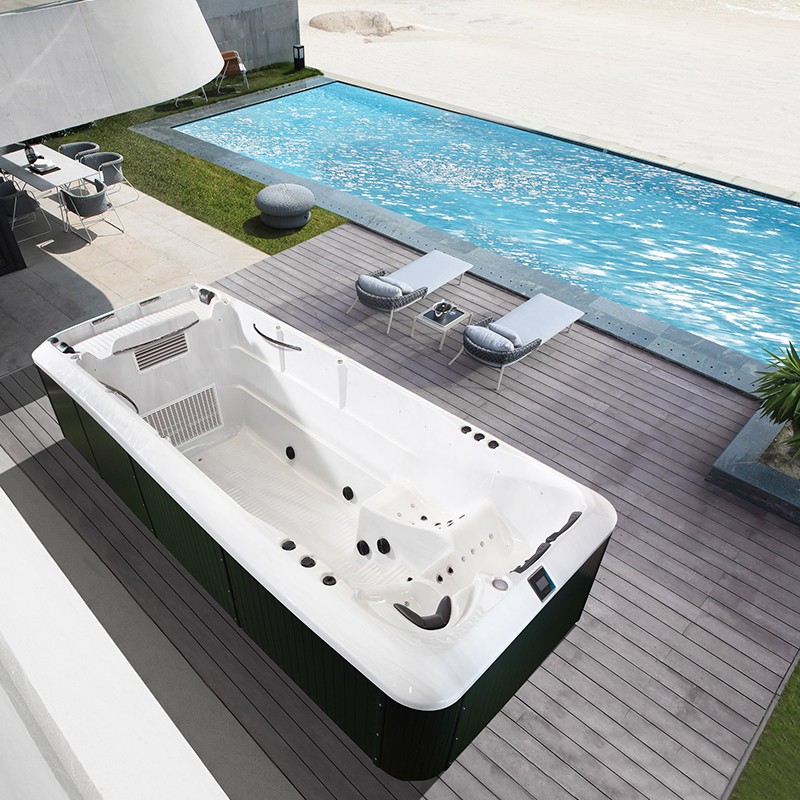
Да ли напон купаћег спа центра зависи од локалне електричне мреже?
Ово је тачка која захтева појашњење.
Стандардни напони мреже варирају у различитим земљама и регионима; на пример:
• У Северној Америци су уобичајени напони од 120 V и 240 V.
• У Европи и већем делу Азије, уобичајен је напон од 220 V–240 V.
Бање са пливачима су обично пројектоване са специфичним конфигурацијама напона прилагођеним стандардима електроенергетске мреже њихових циљних тржишта. Сходно томе, на питање који напон је потребан бањи са пливачима? мора се одговорити у контексту локалних стандарда напајања.
Зашто не бисте произвољно мењали напон купаћег спа центра?
Електрични систем је пројектован за одређени напон.
Следеће компоненте унутар спа центра за пливање:
• Намотаји пумпе
• Грејни елементи
• Контролни модули
• Релеји
Сви су строго пројектовани да раде унутар одређеног опсега напона.
Ако се користи напон који прелази номиналну вредност:
• Калем ће се прегрејати.
• Старење изолације ће се убрзати.
• Електронске компоненте могу бити оштећене.
Ако напон падне испод номиналне вредности:
• Водена пумпа неће достићи своју пројектовану брзину ротације.
• Снага грејача ће бити недовољна.
• Систем управљања ће функционисати неправилно.
Како се напон односи на радне перформансе базена за пливање?
Стабилност напона директно утиче на искуство у спа центру.
У спа центру за пливање:
• Брзина водене пумпе одређује интензитет протока воде.
• Снага грејача одређује брзину којом се вода загрева.
• Систем управљања захтева стабилно напајање.
Ако су флуктуације напона прекомерне:
• Проток воде ће ослабити.
• Време грејања ће бити продужено.
• Систем може често бити подвргнут заштитним искључењима.
Стога, обезбеђивање исправног напона није само питање да ли уређај дддххх ради,дддххх, већ питање да ли дддххх ради добро.дддххх
Зашто је за спа центре за пливање обично потребно посебно напајање?
Ово је уско повезано са захтевима за напон.
Пошто је спа центар за пливање уређај велике снаге:
• Дељење струјног кола са другим електричним уређајима
• Може довести до пада напона
• И може проузроковати често искључивање осигурача.
Наменско коло осигурава да спа центар за пливање добије стабилан и довољан номинални напон, чиме се гарантује правилан рад свих његових унутрашњих система.
Да ли систем контроле ниског напона подразумева да је спа центар за пливање сам по себи безбедан?
Иако систем управљања користи нисконапонски дизајн, унутрашњост базена за купање и даље садржи високонапонска кола. Стога:
• Управљање напоном
• Системи за уземљење
• Заштита од цурења
Остају подједнако критичне компоненте целокупне електричне архитектуре.
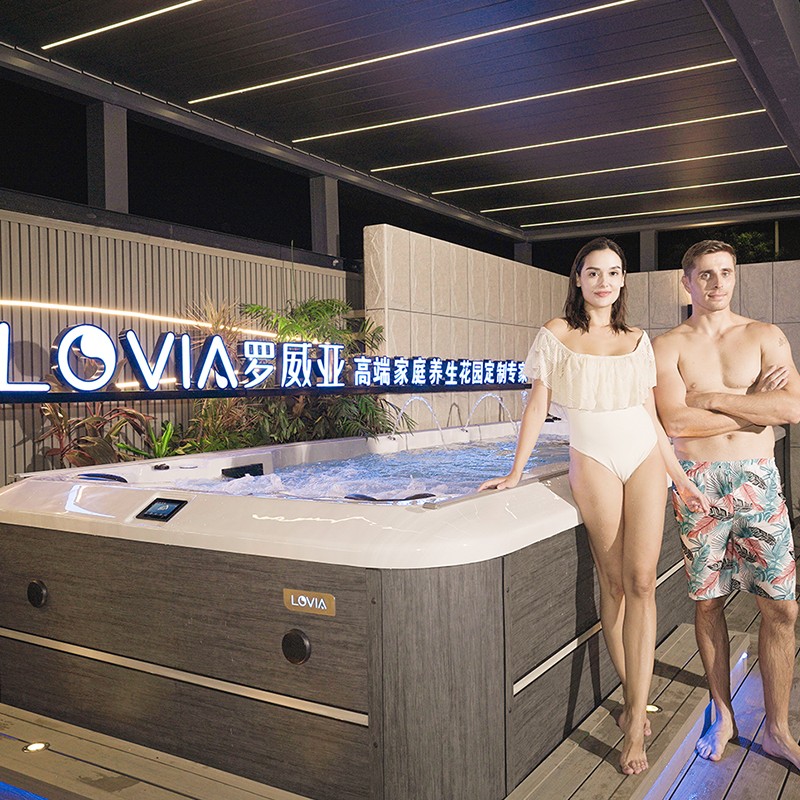
Које су дугорочне последице неусклађености напона за спа центар за пливање?
Рад спа центра са погрешним напоном током дужег периода може довести до:
• Скраћени век трајања водене пумпе.
• Смањена ефикасност грејача.
• Повећана стопа отказа контролних модула.
• Погоршање укупне оперативне стабилности.
Ови проблеми се често не манифестују одмах, већ се постепено акумулирају током времена.
Са техничке тачке гледишта, како треба тумачити питање: дддхххКоји напон је потребан за спа центар за пливање?ддххх
Ово питање се може разумети на три различита нивоа:
1. Називни радни напон: Специфични напон прописан током фазе пројектовања уређаја.
2. Стварни напон напајања: Напон који тренутно испоручује електрична мрежа.
3. Опсег толеранције система: Специфични опсег флуктуација напона који уређај може безбедно да издржи.
Тек када се ова три фактора ускладе, могуће јехидромасажна када за пливањефункционишу стабилно и поуздано на дужи рок.
Зашто су базени за пливање осетљивији на промене напона од стандардних када?
То је зато што спа центар за пливање:
• Истовремено управља више мотора
• Загрева велику количину воде одједном
• Функционише у влажном окружењу
Сходно томе, његови захтеви за напајање су знатно већи од оних за стандардну каду или хидромасажну каду.
Да ли је загарантовано да ће спа центар за пливање правилно функционисати све док је напон исправан?
Иако је исправан напон предуслов, систем такође захтева:
• Довољна амперажност
• Одговарајуће спецификације ожичења
• Стабилна електроенергетска мрежа
Међутим, међу свим електричним параметрима, напон служи као најосновнији - примарни праг који мора бити испуњен.
Које опције прилагођавања су доступне у Lovia Spa?
Ловиа Спа нуди широк спектар опција за прилагођавање, укључујући дизајн, карактеристике и брендирање. Као флексибилан произвођач, наша компанија омогућава купцима да прилагоде ђакузије и базене за купање специфичним потребама својих циљних тржишта. Ово осигурава да купци могу да креирају јединствене понуде производа уз одржавање конкурентних цена.